About Dimthyl Amine Hydrochloride
Dimthyl Amine Hydrochloride Technical Specification :-
| Test | Result | Specification |
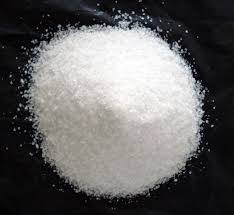
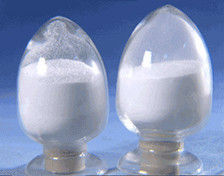
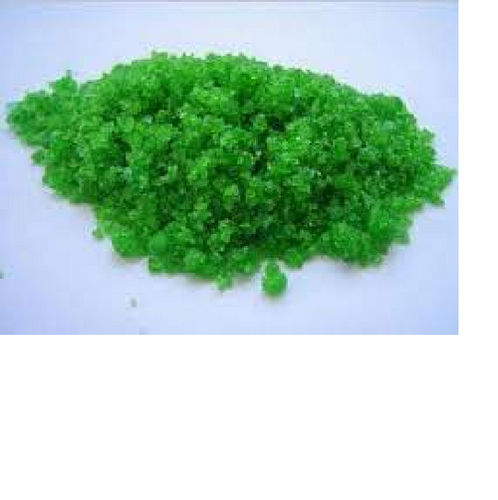
| Description | White Crystalline Powder | White Crystalline Powder |
| Melting Range | 169-171 D.C | 169-171 D.C |
| Water By K.F | 0.32% | Max 0.5 % |
| Turbidity Of 10 % Solution | Clear | Clear |
| Purity | 99.80 | Min 99.00 % |
Versatile Applications Across IndustriesDimethyl Amine Hydrochloride finds wide-ranging use as a catalyst, raw material, and intermediate in organic synthesis. Its role in the pharmaceutical, dye, agrochemical, and rubber chemical industries makes it an essential compound for various manufacturing processes, enhancing the efficiency of product development.
Stable and Safe for Easy HandlingThis compound is classified as non-hazardous for transport and is non-flammable, making it user-friendly for storage and shipping. Its stability at recommended temperatures and moisture content below 1% ensure consistent quality, making it reliable for sensitive industrial applications.
Quality Packaging and LongevityPackaged in robust 25 kg or 50 kg HDPE bags, Dimethyl Amine Hydrochloride is designed for secure storage and transportation. When stored in a cool, dry, and well-ventilated area, it maintains a shelf life of up to two years, retaining its purity and performance properties.
FAQs of Dimthyl Amine Hydrochloride:
Q: How should Dimethyl Amine Hydrochloride be stored to maintain its quality?
A: To preserve its stability and ensure a long shelf life, Dimethyl Amine Hydrochloride should be stored in a cool, dry, well-ventilated area, away from incompatible materials such as strong acids and oxidizers. Proper sealing in HDPE bags also protects it from moisture, as the compound is hygroscopic.
Q: What are the primary applications for Dimethyl Amine Hydrochloride?
A: This compound serves as a catalyst, raw material, and intermediate in a variety of industries, including pharmaceuticals, rubber chemicals, dyes, and agrochemicals. It is valued for its efficiency in organic synthesis and is widely used in both industrial and laboratory settings.
Q: When is Dimethyl Amine Hydrochloride typically used during the manufacturing process?
A: Dimethyl Amine Hydrochloride is commonly introduced during the intermediate stages of chemical synthesis. It functions as a critical component in processes requiring amination or other nitrogen-based modifications, particularly in the pharmaceutical and chemical manufacturing sectors.
Q: Where can Dimethyl Amine Hydrochloride be sourced from in India?
A: In India, Dimethyl Amine Hydrochloride is available through several distributors, exporters, manufacturers, suppliers, and traders. It is typically offered in both industrial and laboratory grades, reflecting diverse sourcing options for different end-use requirements.
Q: What benefits does Dimethyl Amine Hydrochloride offer compared to other catalysts and intermediates?
A: The compound offers reliable purity (99%), stability under recommended conditions, and is non-flammable and non-poisonous, reducing handling risks. Its efficacy in a wide array of synthesis reactions contributes to productivity gains and improved safety in industrial operations.
Q: How is Dimethyl Amine Hydrochloride used in its applications?
A: In practice, it is utilized as a reactant or catalyst, added directly to chemical processes in correct proportions according to formulation requirements. Its high solubility in water, ethanol, and chloroform facilitates diverse chemical reactions across multiple product lines.







 Send Inquiry


 Send Inquiry