About Zinc Chloride Anhydrous
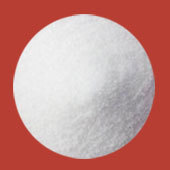
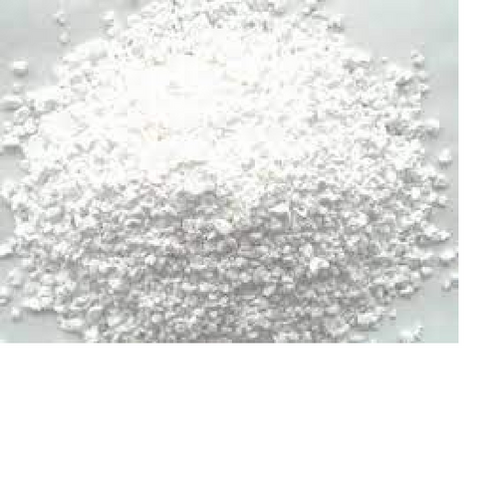
Zinc Chloride Anhydrous (Powder)
We are manufacturing Zinc Chloride Anhydrous in Technical, Pure & LR Grade.
These Products are available in 50 kgs Bag/Drum.
Zinc chloride is the name of chemical compounds with the formula ZnCl2 and its hydrates. Zinc chlorides, of which nine crystalline forms are known, are colorless or white, and are highly soluble in water, also in ethanol and acetone. With excess water, acidic (pH ~ 4) zinc oxychloride is formed.
Zinc chloride has a rather low melting point and sublimed easily. This indicates that it has strong molecular character rather than ionic. Electron diffraction studies show that zinc chloride has linear Cl-Zn-Cl structure in the gas phase. Concentrated, aqueous solution dissolves starch and cellulose and silk. Hence the solution attacks paper and cannot be filtered through a filter paper.

Technical Details
Product Name : Zinc Chloride Anhydrous (Powder)
CAS No. 7646-85-7
Properties
| Specifications | Zinc Chloride Anhydrous (Powder) |
Appearance | White crystalline solid hygroscopic and very deliquescent |
Assay | 88% Approx |
Odor | Odorless |
Density | 2.907 g/cm3 |
pH Value | 5-5.5 |
Mol. Formula | ZnCl2 |
Molar Mass | 136.315 g/mol |
Melting Point | 292 °C (558 °F; 565 K) |
Boiling Point | 756 °C (1,393 °F; 1,029 K) |
Solubility | Soluble in Ethanol, Glycerol and Acetone |
Solubility in Water | 4320 g/L (25 °C) |
Ammonia as NH4Cl | 5-10% |
Alkalis and Alk.Earth | 2% |
Iron & Lead | 0.005% |
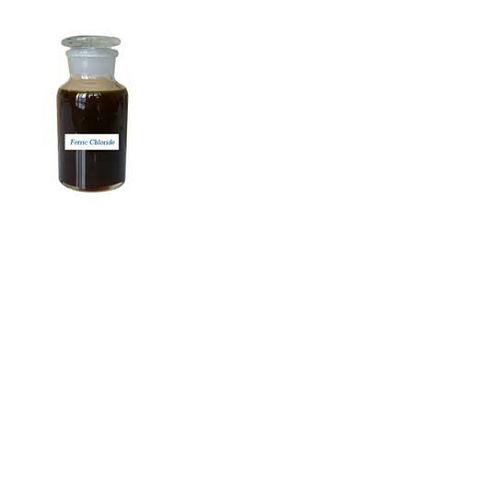
Zinc Chloride Liquid (Lye) We are manufacturing Zinc Chloride Liquid in Technical, Pure & LR Grade.
These Products are available in 50 kgs Bag/Drum.
Zinc chloride is the name of chemical compounds with the formula ZnCl2 and its hydrates. Zinc chlorides, of which nine crystalline forms are known, are colorless or white, and are highly soluble in water, also in ethanol and acetone. With excess water, acidic (pH ~ 4) zinc oxychloride is formed.
Zinc chloride has a rather low melting point and sublimed easily. This indicates that it has strong molecular character rather than ionic. Electron diffraction studies show that zinc chloride has linear Cl-Zn-Cl structure in the gas phase. Concentrated, aqueous solution dissolves starch and cellulose and silk. Hence the solution attacks paper and cannot be filtered through a filter paper.

Technical Details
Product Name : Zinc Chloride Liquid (Lye)
CAS No. 7646-85-7
Properties
| Specifications | Zinc Chloride Liquid (Lye) |
Assay (as ZnCI2) | 70% |
Appearance | Water white liquid |
pH Value | 4.6-5.5 |
Iron & Lead | Less than 10 ppm |
Specific Gravity | 1.40-1.45 |
Sulphates | 200 ppm max |
Ammonium | 400 ppm max |
Solubility | Very soluble in water, freely soluble in ethanol (96 per cent) and in glycerol. |
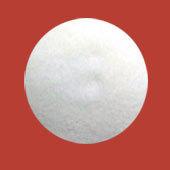
Zinc Chloride (Powder 80-85%)
We are manufacturing Zinc Chloride (Powder 80-85%) in Technical, Pure & LR Grade.
These Products are available in 50 kgs Bag/Drum.
Zinc chloride is the name of chemical compounds with the formula ZnCl2 and its hydrates. Zinc chlorides, of which nine crystalline forms are known, are colorless or white, and are highly soluble in water, also in ethanol and acetone. With excess water, acidic (pH ~ 4) zinc oxychloride is formed.
Zinc chloride has a rather low melting point and sublimed easily. This indicates that it has strong molecular character rather than ionic. Electron diffraction studies show that zinc chloride has linear Cl-Zn-Cl structure in the gas phase. Concentrated, aqueous solution dissolves starch and cellulose and silk. Hence the solution attacks paper and cannot be filtered through a filter paper.

Technical Details
Product Name : Zinc Chloride (Powder 80-85%)
CAS No. 7646-85-7
Properties
| Specifications | Zinc Chloride (Powder 80-85%) |
Assay | 82% Approx |
Appearance | Snow White |
pH Value | 4.6-6.0 |
Sulphate | Passes the test |
Magnesium | Passes the test |
Ammonia As NH4 CI | 5-10% |
Alkalis and Alk. Earth | 2% |
Iron & Lead | 0.005% |
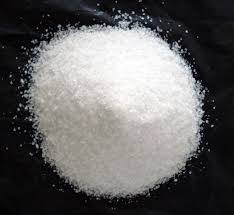
Zinc Ammonium Chloride (For Galvanizing Grade)
We are manufacturing Zinc Ammonium Chloride in Technical, Pure & LR Grade.
These Products are available in 50 kgs Bag/Drum.
Zinc chloride is the name of chemical compounds with the formula ZnCl2 and its hydrates. Zinc chlorides, of which nine crystalline forms are known, are colorless or white, and are highly soluble in water, also in ethanol and acetone. With excess water, acidic (pH ~ 4) zinc oxychloride is formed.
Zinc chloride has a rather low melting point and sublimed easily. This indicates that it has strong molecular character rather than ionic. Electron diffraction studies show that zinc chloride has linear Cl-Zn-Cl structure in the gas phase. Concentrated, aqueous solution dissolves starch and cellulose and silk. Hence the solution attacks paper and cannot be filtered through a filter paper.

Technical Details
Product Name : Zinc Ammonium Chloride
CAS No. 52628-25-8
Properties
| Specifications | Zinc Ammonium Chloride |
Molecular Weight | 189.80 |
Assay | 99% |
pH Value | 5.6 |
Chemical Formula | ZnCl2-NH4Cl |
Appearance | Colorless to pale yellow crystals |
Versatile Industrial ApplicationsZinc Chloride Anhydrous is known for its adaptability in various industries, including galvanizing, water treatment, textile processing, and as a dehydrating agent in chemical synthesis. Its high solubility in water and alcohol enhances its functional range, making it indispensable in industrial-grade processes where effective and efficient chemical action is required.
Safe Storage and HandlingDue to its highly corrosive and poisonous characteristics, Zinc Chloride Anhydrous must be stored in tightly sealed containers made of high-density polyethylene (HDPE) or compatible plastic. Ensure storage in a dry, cool place away from moisture, strong bases, and oxidizing agents. Always wear appropriate protective gear to prevent accidental contact.
Superior Purity and StabilityWith a minimum purity of 98% and moisture content kept under 1%, Zinc Chloride Anhydrous meets stringent quality standards. Its crystalline structure, odorless and with an astringent taste, ensures reliable results in demanding applications. Stability is maintained under recommended conditions, ensuring a 24-month shelf life.
FAQs of Zinc Chloride Anhydrous:
Q: How should Zinc Chloride Anhydrous be stored for optimal stability?
A: To maintain optimal stability and prevent moisture absorption, store Zinc Chloride Anhydrous in a tightly closed HDPE or plastic drum or bag, in a cool, dry, and well-ventilated area. Ensure it remains away from sources of strong bases, oxidizing agents, and moisture.
Q: What are the recommended safety precautions when handling Zinc Chloride Anhydrous?
A: Always wear protective clothing, including gloves and eye protection, and prevent any contact with skin or eyes, as Zinc Chloride Anhydrous is corrosive and toxic. Work in a well-ventilated space and avoid inhaling powders or dust during handling.
Q: Where is Zinc Chloride Anhydrous commonly used?
A: This compound is widely utilized in industries such as galvanizing, water treatment, chemical synthesis, textile processing, and as a dehydrating agent and soldering flux. Its strong Lewis acid properties and solubility make it suitable for these demanding industrial environments.
Q: What benefits does Zinc Chloride Anhydrous offer in chemical synthesis?
A: Zinc Chloride Anhydrous acts as a powerful Lewis acid and dehydrating agent, accelerating chemical reactions and enhancing yields. Its high purity ensures consistent results in chemical synthesis, especially where water-sensitive reactions are important.
Q: How is Zinc Chloride Anhydrous manufactured?
A: It is produced via direct synthesis by reacting elemental zinc with chlorine gas, resulting in a highly pure, anhydrous product suitable for industrial applications.
Q: What is the process for using Zinc Chloride Anhydrous as a soldering flux?
A: In soldering, Zinc Chloride Anhydrous is mixed or applied as a flux to clean and prepare metal surfaces, promoting effective solder adhesion by removing oxides and contaminants. Ensure appropriate safety measures are followed due to its corrosive nature.
Q: When should Zinc Chloride Anhydrous not be used?
A: You should avoid using Zinc Chloride Anhydrous alongside strong bases and oxidizing agents, as it is incompatible and may react dangerously. Do not use in applications involving food or pharmaceuticals, due to its poisonous properties.







 Send Inquiry


 Send Inquiry